
Introduction
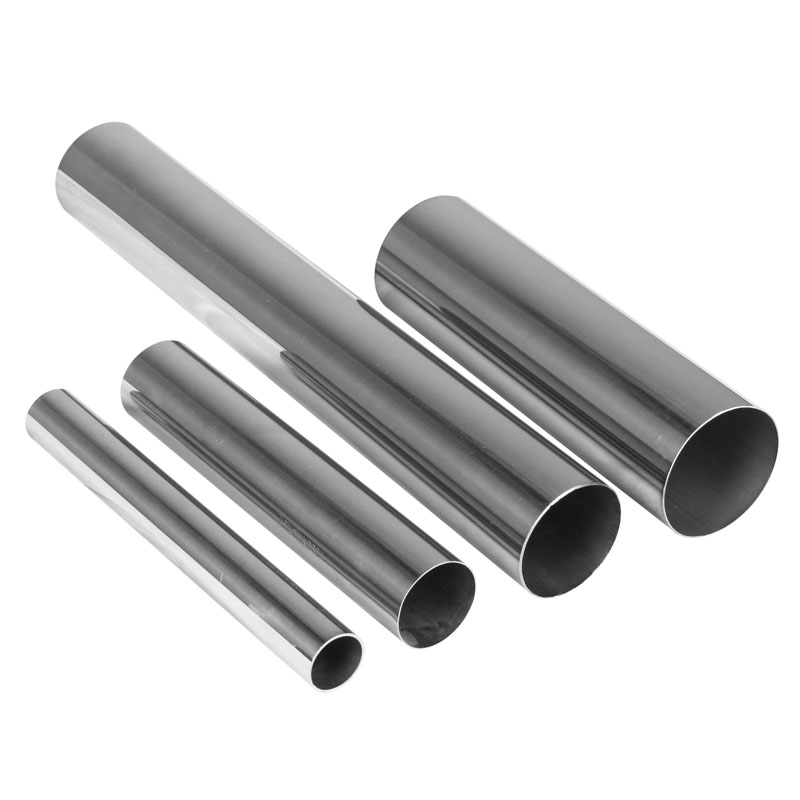
Stainless Steel 304 and 316L stainless steel seamless pipes are widely used in industrial piping systems, chemical processing, food production, marine engineering, and construction projects.
Although these two stainless steel grades look similar, they differ significantly in corrosion resistance, chemical composition, and application environments. Understanding these differences is essential when selecting the right seamless pipe material for industrial projects.
Chemical Composition Difference
304 Stainless Steel Seamless Pipe
Typical composition:
- Chromium (Cr): 18–20%
- Nickel (Ni): 8–10.5%
304 stainless steel is the most commonly used stainless steel grade because of its good corrosion resistance and cost-effectiveness.
316L Stainless Steel Seamless Pipe
Typical composition:
- Chromium (Cr): 16–18%
- Nickel (Ni): 10–14%
- Molybdenum (Mo): 2–3%
- Low Carbon Content (L)
The addition of molybdenum greatly improves corrosion resistance, especially in chloride environments.
The “L” means low carbon, which improves weldability and reduces the risk of intergranular corrosion after welding.
Corrosion Resistance Comparison
304 Seamless Pipe
Suitable for:
- Freshwater systems
- Indoor industrial piping
- Food processing equipment
- General industrial environments
However, 304 may experience pitting corrosion in saltwater or chloride-rich environments.
316L Seamless Pipe
316L offers superior resistance to:
- Seawater corrosion
- Chloride attack
- Chemical corrosion
- Acidic environments
It is commonly used in offshore engineering and chemical processing industries.
Mechanical Properties
Both 304 and 316L seamless pipes provide:
- Good strength
- Excellent formability
- Good weldability
- High durability
However, 316L performs better in harsh and corrosive operating conditions.
Weldability Difference
304 Pipe
Provides good welding performance for standard industrial fabrication.
316L Pipe
Because of its low carbon content, 316L is preferred for:
- Heavy welding applications
- High-purity piping systems
- Pharmaceutical equipment
It minimizes carbide precipitation during welding.
Typical Applications
304 Stainless Steel Seamless Pipe Applications
- Food processing
- Decorative piping
- Water systems
- HVAC systems
- General industrial piping
316L Stainless Steel Seamless Pipe Applications
- Marine engineering
- Offshore platforms
- Chemical plants
- Pharmaceutical industries
- Heat exchangers
- Seawater systems
Which One Should You Choose?
Choose 304 seamless pipe if you need:
✔ Lower material cost
✔ General corrosion resistance
✔ Indoor industrial applications
Choose 316L seamless pipe if you need:
✔ Marine-grade corrosion resistance
✔ Chloride resistance
✔ Better welding performance
✔ Chemical processing applications
Conclusion
304 and 316L stainless steel seamless pipes are both excellent industrial materials, but they are designed for different service environments.
304 offers cost-effective performance for general applications, while 316L provides superior corrosion resistance and reliability for demanding marine and chemical environments.
Selecting the right material can significantly improve equipment lifespan and operational safety.