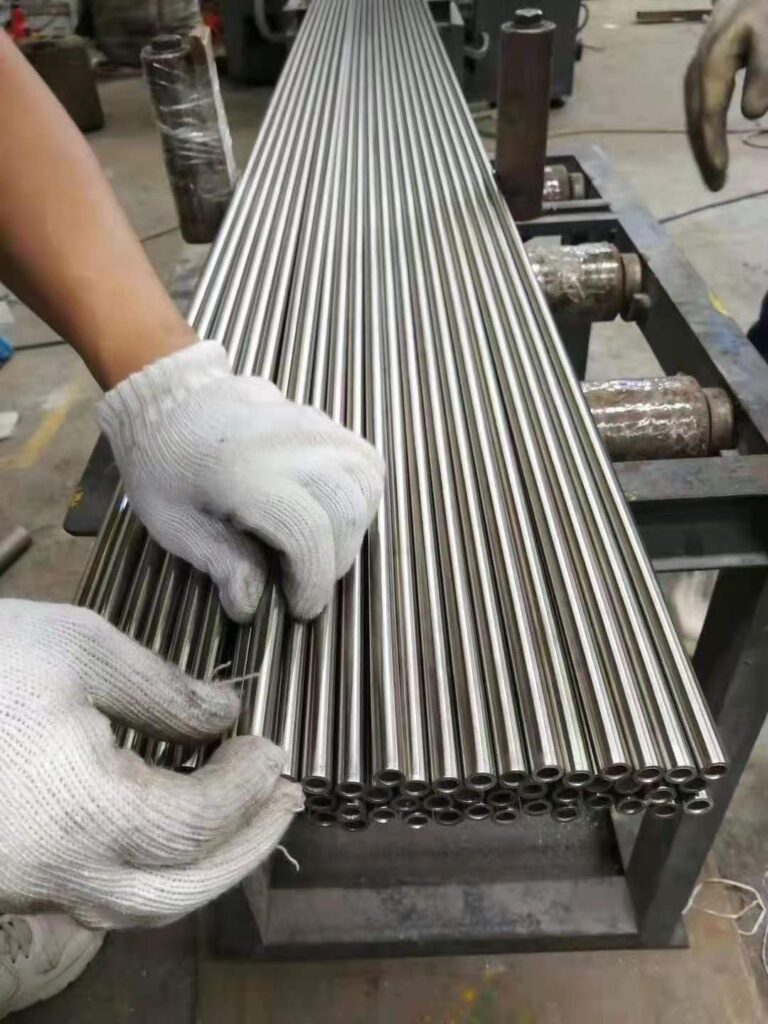
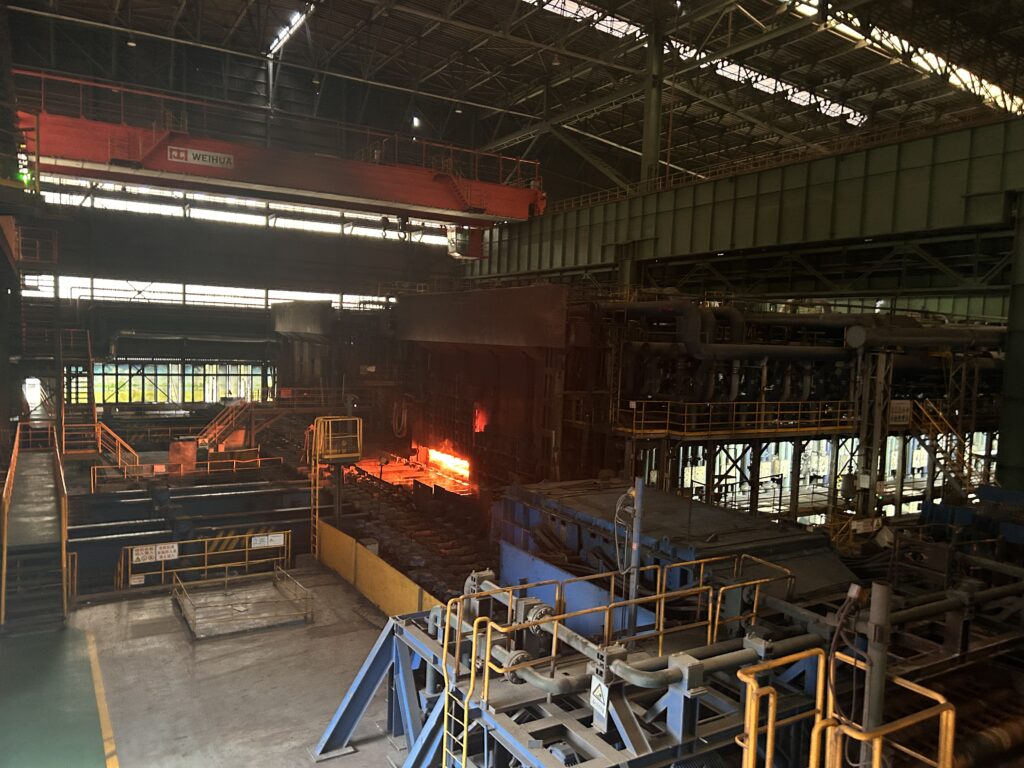
Introduction
Inconel 625 and 718 are two of the most widely used nickel-based superalloys in demanding industrial environments. Both materials offer excellent corrosion resistance, high-temperature strength, and outstanding mechanical performance, making them popular choices in aerospace, offshore engineering, chemical processing, and oil & gas industries.
However, despite their similarities, Inconel 625 and Inconel 718 are designed for different applications and operating conditions. Understanding their differences is essential for selecting the right alloy for your project.
Chemical Composition
The primary distinction between Inconel 625 and 718 lies in their alloying elements and strengthening mechanisms.
Inconel 625
Main elements:
- Nickel (Ni): ≥58%
- Chromium (Cr): 20–23%
- Molybdenum (Mo): 8–10%
- Niobium (Nb): 3.15–4.15%
Inconel 625 is mainly strengthened by solid-solution hardening through molybdenum and niobium.
Inconel 718
Main elements:
- Nickel (Ni): 50–55%
- Chromium (Cr): 17–21%
- Niobium (Nb): 4.75–5.5%
- Titanium (Ti)
- Aluminum (Al)
Inconel 718 is precipitation hardened, giving it significantly higher strength at elevated temperatures.
Mechanical Properties Comparison
| Property | Inconel 625 | Inconel 718 |
|---|---|---|
| Tensile Strength | Moderate | Very High |
| Yield Strength | Moderate | Excellent |
| Corrosion Resistance | Outstanding | Very Good |
| Weldability | Excellent | Good |
| Maximum Service Temperature | ~980°C | ~700°C |
| Fatigue Resistance | Good | Excellent |
High Temperature Performance
Inconel 625
Inconel 625 performs exceptionally well in highly corrosive environments and maintains good oxidation resistance at elevated temperatures.
Typical applications include:
- Marine engineering
- Chemical processing
- Seawater piping systems
- Heat exchangers
Its excellent resistance to chloride-induced corrosion makes it especially suitable for offshore projects.
Inconel 718
Inconel 718 is preferred where extremely high mechanical strength is required.
Typical applications include:
- Aerospace turbine components
- Jet engines
- Gas turbines
- High-pressure fasteners
Because of its precipitation-hardening capability, Inconel 718 provides superior creep and fatigue resistance.
Corrosion Resistance
For highly corrosive environments, Inconel 625 generally performs better.
Its high molybdenum content gives excellent resistance to:
- Pitting corrosion
- Crevice corrosion
- Chloride stress corrosion cracking
This makes it highly suitable for offshore oil & gas platforms and seawater systems.
Inconel 718 also offers good corrosion resistance, but its main advantage is mechanical strength rather than extreme corrosion protection.
Machining and Weldability
Inconel 625
Advantages:
- Easier to weld
- Lower risk of cracking
- Better fabrication flexibility
This alloy is commonly used in welded structures and fabricated components.
Inconel 718
Advantages:
- Excellent post-heat-treatment strength
- High fatigue performance
However, it is more difficult to machine and requires stricter heat treatment control.
Typical Applications
Inconel 625 Applications
- Offshore platforms
- Marine fasteners
- Chemical tanks
- Flexible risers
- Exhaust systems
- Heat exchangers
Inconel 718 Applications
- Aerospace engines
- Turbine disks
- Aircraft fasteners
- Nuclear reactors
- High-temperature bolts
- Gas turbine components
Which Alloy Should You Choose?
Choose Inconel 625 if your project requires:
✔ Superior corrosion resistance
✔ Marine or offshore applications
✔ Excellent weldability
✔ Chemical processing performance
Choose Inconel 718 if your project requires:
✔ Extremely high strength
✔ Aerospace-grade performance
✔ High fatigue resistance
✔ High-pressure and high-stress components
Conclusion
Both Inconel 625 and Inconel 718 are high-performance nickel alloys, but they serve different engineering purposes.
- Inconel 625 excels in corrosion resistance and fabrication.
- Inconel 718 delivers superior strength and fatigue resistance.
Selecting the correct alloy depends on your operating environment, temperature range, mechanical requirements, and fabrication process.
Need Nickel Alloy Materials?
We supply:
- Inconel 625 bars, plates, pipes, and fasteners
- Inconel 718 bars and custom components
- CNC machining and custom processing
- EN10204 3.1 material certificates
- Global export support
Applications include:
- Offshore engineering
- Oil & gas projects
- Marine systems
- High-temperature industrial equipment
Contact our technical team for material selection and quotation support.